How Illustrations Bring Archaeological Artifacts to Life
- Kimberly Price
- Apr 3
- 4 min read

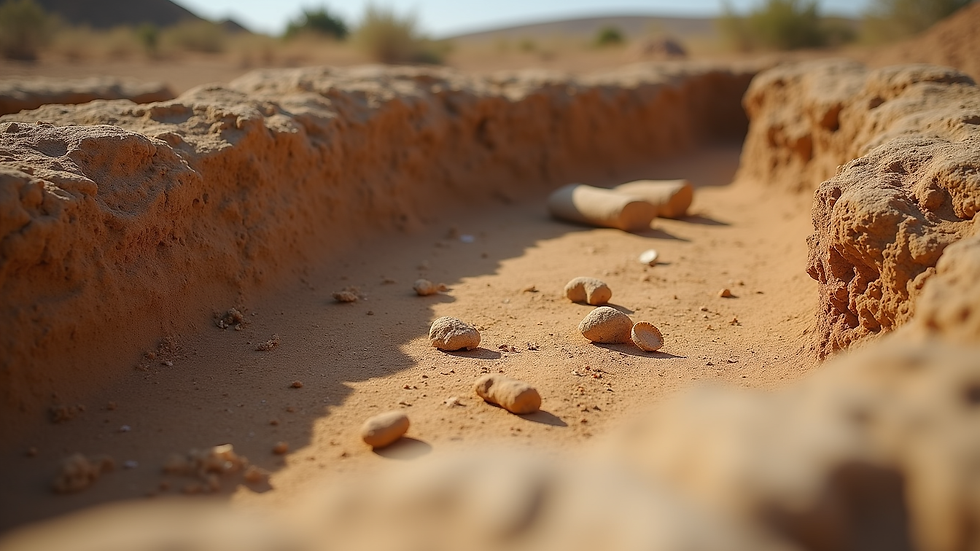
Archaeology is often seen as a field steeped in dust and ancient ruins, where artifacts lie hidden beneath layers of earth, waiting to tell their stories. But how do we truly connect with these remnants of the past? One powerful tool that bridges the gap between history and modern understanding is illustration. Through the art of illustration, archaeological artifacts are not just objects; they become vibrant narratives that engage our imagination and deepen our appreciation for human history.
The Role of Illustrations in Archaeology
Illustrations serve multiple purposes in archaeology. They help to visualize artifacts, provide context, and enhance understanding. Here are some key roles that illustrations play:
Visualization: Illustrations can depict artifacts in their original context, allowing viewers to see how they were used and what they meant to the people who created them.
Documentation: They serve as a record of findings, capturing details that photographs may miss, such as color, texture, and intricate designs.
Education: Illustrations make archaeological findings accessible to a broader audience, helping to educate the public about history and culture.
Interpretation: Artists can interpret artifacts in ways that highlight their significance, sparking curiosity and discussion.
The Power of Visual Storytelling
Visual storytelling is an essential aspect of how illustrations bring archaeological artifacts to life. By combining artistic skill with historical knowledge, illustrators can create compelling narratives that resonate with viewers.
Case Study: The Rosetta Stone
Take, for example, the Rosetta Stone. This artifact was crucial in deciphering Egyptian hieroglyphs. Illustrations of the stone not only show its physical characteristics but also depict its historical context. An illustration might show the stone in situ, surrounded by the bustling activity of ancient Egypt, or it could illustrate the moment when scholars first began to understand its inscriptions.

Engaging the Audience
Illustrations can engage audiences in ways that text alone cannot. They invite viewers to explore and imagine the past. For instance, an illustration of an ancient Roman marketplace can transport viewers back in time, allowing them to visualize the sights, sounds, and interactions of that era. This immersive experience fosters a deeper emotional connection to history.
Techniques Used in Archaeological Illustrations
Illustrators employ various techniques to create effective representations of archaeological artifacts. Here are some common methods:
Detailed Line Drawings: These provide clear, precise depictions of artifacts, highlighting intricate details that may be overlooked in photographs.
Watercolor and Digital Painting: These techniques can add depth and vibrancy, capturing the essence of materials and colors.
3D Modeling: This modern approach allows for interactive experiences, enabling viewers to explore artifacts from multiple angles.
The Importance of Accuracy
While artistic interpretation is valuable, accuracy is paramount in archaeological illustrations. Artists often collaborate with archaeologists to ensure that their representations are faithful to the original artifacts. This collaboration helps maintain the integrity of the historical narrative.
Illustrations in Archaeological Publications
Illustrations are a staple in archaeological publications, enhancing research papers, books, and exhibition catalogs. They serve to:
Clarify Complex Concepts: Visual aids can simplify complex ideas, making them more digestible for readers.
Enhance Engagement: Well-designed illustrations can draw readers into the material, encouraging them to explore further.
Support Arguments: Illustrations can provide visual evidence that supports the author's claims, strengthening the overall argument.
Example: The Archaeological Journal
In an archaeological journal, an article discussing the significance of pottery in ancient cultures might include illustrations of various pottery styles. These visuals not only complement the text but also allow readers to appreciate the artistry and craftsmanship involved.
The Impact of Technology on Illustrations
Advancements in technology have transformed the way illustrations are created and shared. Digital tools allow for greater precision and creativity, enabling artists to produce high-quality illustrations that can be easily disseminated.
Digital Illustrations
Digital illustrations offer several advantages:
Flexibility: Artists can easily make adjustments and revisions, ensuring accuracy and clarity.
Accessibility: Digital illustrations can be shared widely, reaching a global audience.
Interactivity: Some digital platforms allow for interactive illustrations, where users can manipulate images to explore different aspects of artifacts.
The Future of Illustrations in Archaeology
As technology continues to evolve, the future of illustrations in archaeology looks promising. Here are some trends to watch:
Augmented Reality (AR): AR can bring illustrations to life, allowing users to interact with artifacts in real-time.
Virtual Reality (VR): VR experiences can immerse users in historical settings, providing a unique perspective on archaeological findings.
Crowdsourced Illustrations: Platforms that allow the public to contribute illustrations can democratize the field, bringing diverse perspectives to the forefront.
Conclusion
Illustrations are more than just artistic representations; they are vital tools that bring archaeological artifacts to life. By visualizing the past, they help us connect with history in meaningful ways. As technology advances, the potential for illustrations in archaeology will only grow, offering new opportunities for engagement and understanding.
The next time you encounter an archaeological artifact, consider the story it tells and the role that illustrations play in bringing that story to life. Whether through detailed drawings or immersive digital experiences, illustrations will continue to bridge the gap between the past and present, enriching our understanding of human history.

Comments